
Mechanical hard drives
A clicking, dropped or non-spinning hard drive may need controlled handling, specialist tools and compatible parts. The initial assessment determines the next step.
Advanced data recovery / Burnaby
When a hard drive has suffered physical damage, opening it at a desk can make the recovery harder. Specialist clean-room work can be arranged through our recovery partners when the assessment calls for it.
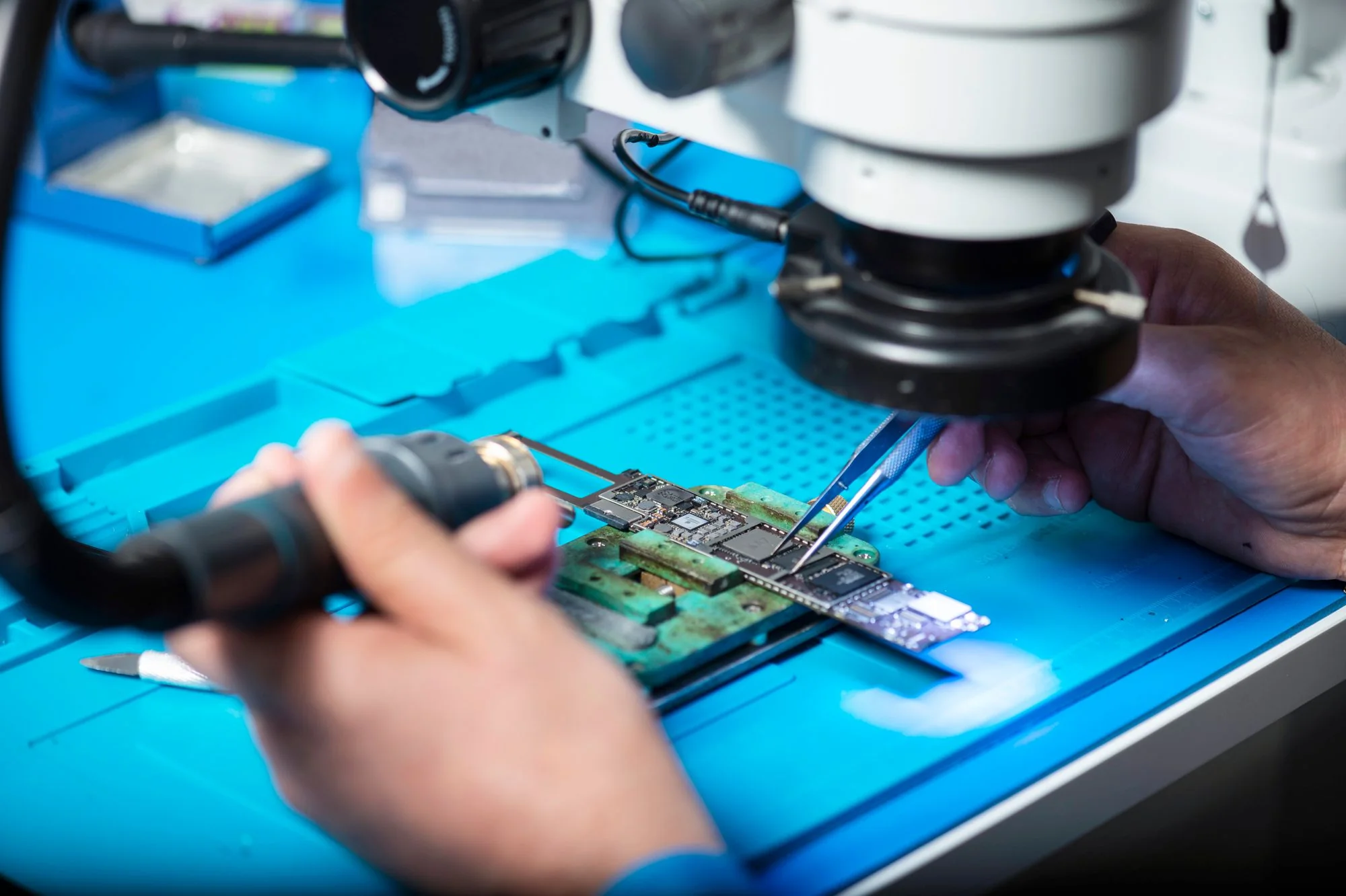
Match the work to the failure
A clicking, dropped or non-spinning hard drive may need controlled handling, specialist tools and compatible parts. The initial assessment determines the next step.
SSDs, USB drives and memory cards fail differently. Electrical faults, controller issues and encryption require a device-specific assessment; a clean room alone does not resolve them.
Keep every drive together and preserve their original order. The work may involve both recovering failed media and reconstructing the volume.
Before authorising specialist work
The proposed route, any specialist handling, parts, costs and likely timing are explained before work proceeds. Files are recovered to separate storage where practical, rather than written back onto damaged media.
Recovery depends on the fault and the condition of the original data. Physical damage, overwriting and unavailable encryption keys can limit what is recoverable. An estimate is not a guarantee that files can be restored.
Your first step
Before specialist intervention
Keep the drive off. A damaged head, spindle or platter surface needs a different assessment from a damaged cable or enclosure. Do not remove its cover or swap parts to see whether it starts.
Tell us what happened, whether it was running at the time, and what has been tried since. Where appropriate, specialist partners assess controlled opening, donor compatibility and imaging before file reconstruction.
Flash storage has no spinning platters. The relevant questions include electrical damage, controller behaviour, the flash layout and encryption. Opening a clean-room job does not establish that any particular SSD is recoverable.
Keep the original device and enclosure. Avoid firmware updates, initialisation or further writes while a device-specific route is reviewed.